Bone healing is a complex biological process that occurs after a fracture or surgery. While rest, immobilization, and medical treatment are essential, one of the most important—and often overlooked—factors in bone recovery is proper nutrition. The body requires specific nutrients to rebuild bone tissue, reduce inflammation, and support overall healing.
Why Nutrition Matters in Bone Healing
When a bone breaks or is surgically treated, the body begins a healing process that includes inflammation, cell regeneration, and remodeling of bone tissue. This process requires energy and raw materials that come directly from the food we eat. Without adequate nutrition, bone healing can be delayed or incomplete, increasing the risk of complications.
Key Nutrients for Bone Healing
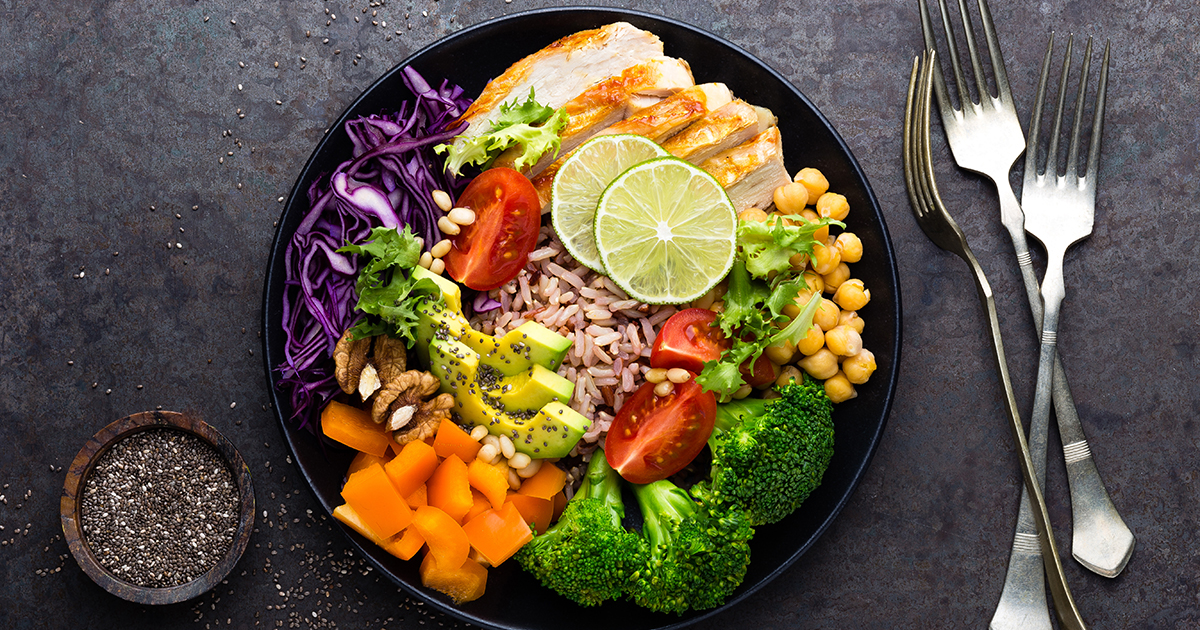
- Calcium: Essential for the formation of new bone tissue. Sources include dairy products, leafy greens, almonds, and fortified foods.
- Vitamin D: Helps the body absorb calcium and supports bone mineralization. Sunlight exposure and foods like eggs, fatty fish, and fortified milk are good sources.
- Protein: Necessary for the production of collagen, which forms the foundation of bone. Include lean meats, legumes, dairy, and nuts in your diet.
- Vitamin C: Supports collagen formation and immune function. Found in citrus fruits, bell peppers, strawberries, and broccoli.
- Vitamin K: Important for bone metabolism and works synergistically with Vitamin D. Found in green leafy vegetables like spinach and kale.
- Magnesium and Zinc: These minerals play a role in bone density and healing. Nuts, whole grains, seeds, and legumes are rich sources.
- Omega-3 Fatty Acids: Help reduce inflammation and promote healing. Found in flaxseeds, walnuts, and fatty fish like salmon.
Foods to Avoid During Bone Healing
Just as certain foods help the healing process, others can slow it down. It’s best to limit:
- Excessive caffeine: Can interfere with calcium absorption.
- Alcohol: Slows down bone regeneration and impairs the body’s natural healing processes.
- Sugary and processed foods: Increase inflammation and provide little nutritional value.
Supplementation: When Food Isn’t Enough
In some cases—especially in elderly patients, those with dietary restrictions, or people with underlying conditions—nutritional supplements may be necessary. Consult your doctor before starting supplements like calcium, vitamin D, or protein powders to ensure appropriate dosage and effectiveness.
Healing Faster with a Nutritional Plan
At Saoji Orthopaedic Hospital, we understand that bone healing is not just about surgery or immobilization—it’s also about what you feed your body. Our orthopedic specialists often work alongside dietitians to create tailored nutritional plans that enhance healing, boost immunity, and support overall recovery.
Remember, healing starts from within. A balanced, nutrient-rich diet can make a significant difference in how fast and effectively your bones recover.
