Lower Back Pain: Causes, Prevention, and Treatment
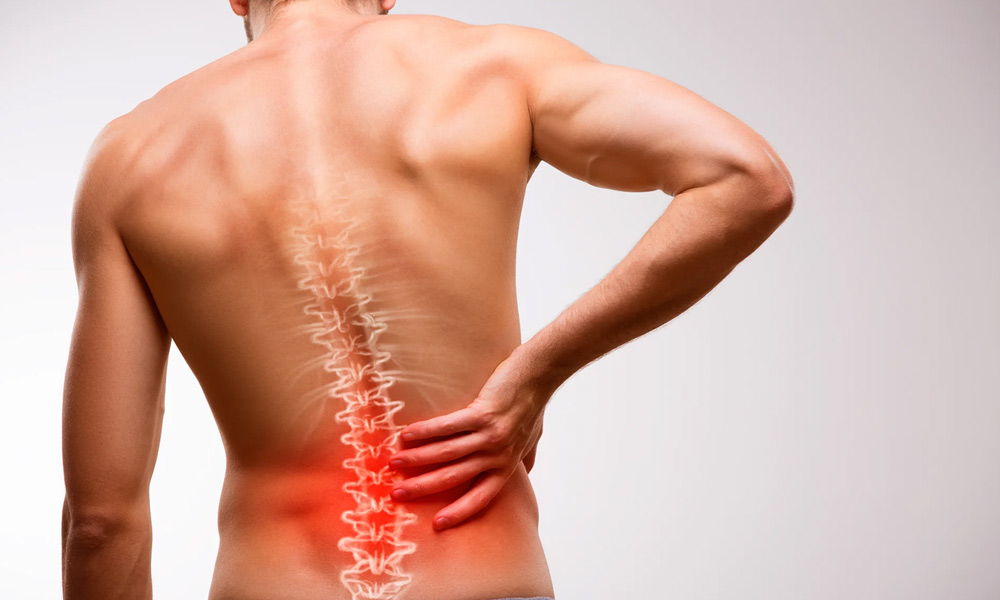
Lower back pain is one of the most common health complaints affecting people of all ages, from working professionals to elderly individuals. Whether it’s a dull ache or sharp discomfort, this type of pain can significantly impact daily life and mobility. Understanding the causes, ways to prevent it, and available treatment options is key to managing and overcoming the condition.
Common Causes of Lower Back Pain
Lower back pain can originate from a variety of sources. Here are some of the most common causes:
- Muscle or ligament strain: Repeated heavy lifting or a sudden awkward movement can strain back muscles and spinal ligaments.
- Herniated or bulging discs: Discs act as cushions between the bones in your spine. When they bulge or rupture, they can press on nerves.
- Arthritis: Osteoarthritis can affect the lower back, leading to stiffness and discomfort. In some cases, it may lead to spinal stenosis (narrowing of the spinal canal).
- Poor posture: Sitting or standing incorrectly for extended periods can put stress on the lower back muscles and spine.
- Sedentary lifestyle: Lack of physical activity weakens core and back muscles, increasing the risk of pain.
- Obesity: Excess body weight puts extra pressure on the lower spine, contributing to pain and inflammation.
Prevention Tips
Preventing lower back pain involves adopting healthy lifestyle habits and protecting your spine. Consider the following tips:
- Exercise regularly: Focus on exercises that strengthen your core and back muscles, such as yoga, swimming, or walking.
- Maintain good posture: Sit upright with proper lumbar support and avoid slouching or hunching over screens.
- Lift properly: When lifting heavy objects, bend at your knees—not your waist—and keep the load close to your body.
- Maintain a healthy weight: A balanced diet and regular exercise help reduce pressure on the spine.
- Use ergonomic furniture: Ensure that your chair, mattress, and work desk support your spine and encourage correct posture.
Treatment Options
Treatment for lower back pain depends on its cause and severity. Common treatment options include:
- Rest and activity modification: Short-term rest followed by gradual return to regular activity can help.
- Physiotherapy: Targeted exercises, stretching, and physical therapy can strengthen muscles and improve mobility.
- Medications: Over-the-counter pain relievers, muscle relaxants, or anti-inflammatory drugs may offer relief.
- Heat and cold therapy: Applying heat or cold packs can reduce inflammation and relax tense muscles.
- Advanced treatments: In persistent or severe cases, treatments such as corticosteroid injections or minimally invasive spine surgery may be recommended.
When to See a Specialist
If your back pain is severe, persistent, or accompanied by symptoms such as numbness, tingling, or weakness in the legs, it’s important to consult an orthopaedic specialist. Early diagnosis and treatment can prevent complications and support faster recovery.
At Saoji Orthopaedic Hospital, we offer advanced diagnostic tools, personalized treatment plans, and expert care for patients suffering from back pain and other musculoskeletal conditions.
Don’t let back pain limit your life. Take the first step towards relief and recovery today.
