

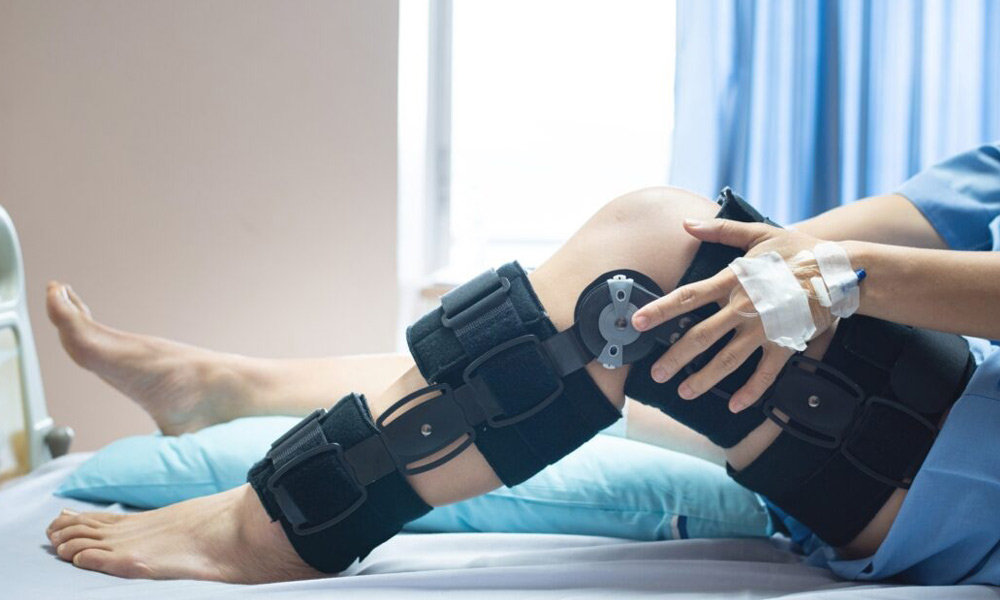
What to Expect Before, During, and After Orthopedic Surgery
Orthopedic surgery is often recommended for patients dealing with chronic joint pain, fractures, sports injuries, or degenerative bone and joint conditions. Whether it’s a joint replacement, spine procedure, or arthroscopic surgery, understanding what to expect before, during, and after the operation can ease anxiety and help ensure a smoother recovery.
Before Orthopedic Surgery
Preparation plays a vital role in the success of your surgery and recovery. Here’s what typically happens:
- Initial Consultation: Your orthopedic surgeon will conduct a detailed physical examination, review imaging (X-rays, MRI, CT scans), and discuss your medical history to determine the best surgical option.
- Pre-Surgical Testing: Blood tests, ECGs, or other health checks are done to assess surgical risk and plan anesthesia.
- Medication Review: Inform your doctor of all medications you’re taking. Some may need to be stopped or adjusted before surgery.
- Pre-operative Instructions: You’ll receive guidelines on fasting, hygiene, and what to bring to the hospital. Lifestyle changes such as quitting smoking or managing diabetes may also be advised.
During Orthopedic Surgery
The surgical process may vary depending on the type of procedure, but generally involves the following:
- Anesthesia: You may receive general, regional, or local anesthesia to ensure a pain-free experience.
- The Procedure: The orthopedic surgeon will perform the operation using either open surgery or minimally invasive techniques like arthroscopy, depending on your condition.
- Monitoring: Throughout the surgery, your vital signs will be closely monitored by the surgical and anesthesia team.
Most procedures are completed within 1–3 hours, though some may take longer depending on complexity.
After Orthopedic Surgery
Recovery starts immediately after the procedure and can last from a few weeks to several months. Here’s what to expect:
- Post-Operative Care: You’ll be moved to a recovery area where your vital signs are monitored. Pain relief medications and antibiotics may be administered.
- Hospital Stay: Some surgeries require a short hospital stay, while others (like minimally invasive procedures) may allow same-day discharge.
- Physiotherapy: Rehabilitation is essential. A personalized physiotherapy plan will help restore movement, strength, and function.
- Follow-Up Visits: Scheduled follow-ups ensure the healing process is on track. Your surgeon may order additional imaging or adjust your treatment as needed.
- Home Care: You’ll be given detailed instructions on wound care, activity restrictions, and signs to watch for (such as swelling, fever, or excessive pain).
Support and Guidance at Every Step
At Saoji Orthopaedic Hospital, we are committed to supporting you at every stage of your surgical journey. From pre-operative counseling and expert surgical care to rehabilitation and long-term follow-up, our team ensures you receive comprehensive and compassionate care tailored to your individual needs.
Your recovery begins with the right preparation. Trust our specialists to guide you through a safe and successful orthopedic surgery experience.
